Jackson Renovation and Construction
Serving from the Canadian border to central Idaho and eastern Washington, including Spokane, Coeur d'Alene, Pullman, and Moscow.

Wildfire Pre-Treatment in Spokane and North Idaho - Komodo Fire Retardant Applied Before the Season Starts
Jackson Renovation & Construction applies long term wildfire pretreatment to the trees, grass and brush across Spokane, the Palouse, Coeur d’Alene and the Idaho Panhandle. It’s a retardant layer put on vegetation ahead of fire season, not a truck racing the flame front.
Structures are different. Homes, decks, siding and outbuildings are sprayed only when a wildfire threat is imminent.
Call Mark at (509) 338 8456 or request an assessment below.
A Retardant Layer That's Already There When the Embers Arrive
When a wildfire gets close, most of what you can do in the moment is short-term. Foam washes off. Water evaporates in minutes. And by the time you’re thinking about either one, the road out may already be closed.
Pre-treatment works the other way around.
JRC applies Komodo fire retardant to the vegetation on your property weeks or months before fire season, so the protection is in place before anything is burning. That means the trees closest to the house, and the grass and brush where wind-driven embers pile up. The product goes on as a spray, dries in place, and stays there working while you’re not thinking about it.
Structures are a separate job. Komodo dries white and powdery and changes the finish, so homes, decks, siding and outbuildings aren’t pre-treated as a matter of course. They’re sprayed when a wildfire threat is imminent, as part of a full application.
It isn’t a substitute for defensible space or a hardened home. It’s another layer on top of them, and for a lot of properties in this region it’s the layer that was missing.
Komodo Fire Retardant - Water-Based, Non-Toxic, Safe Around Kids, Pets and Livestock
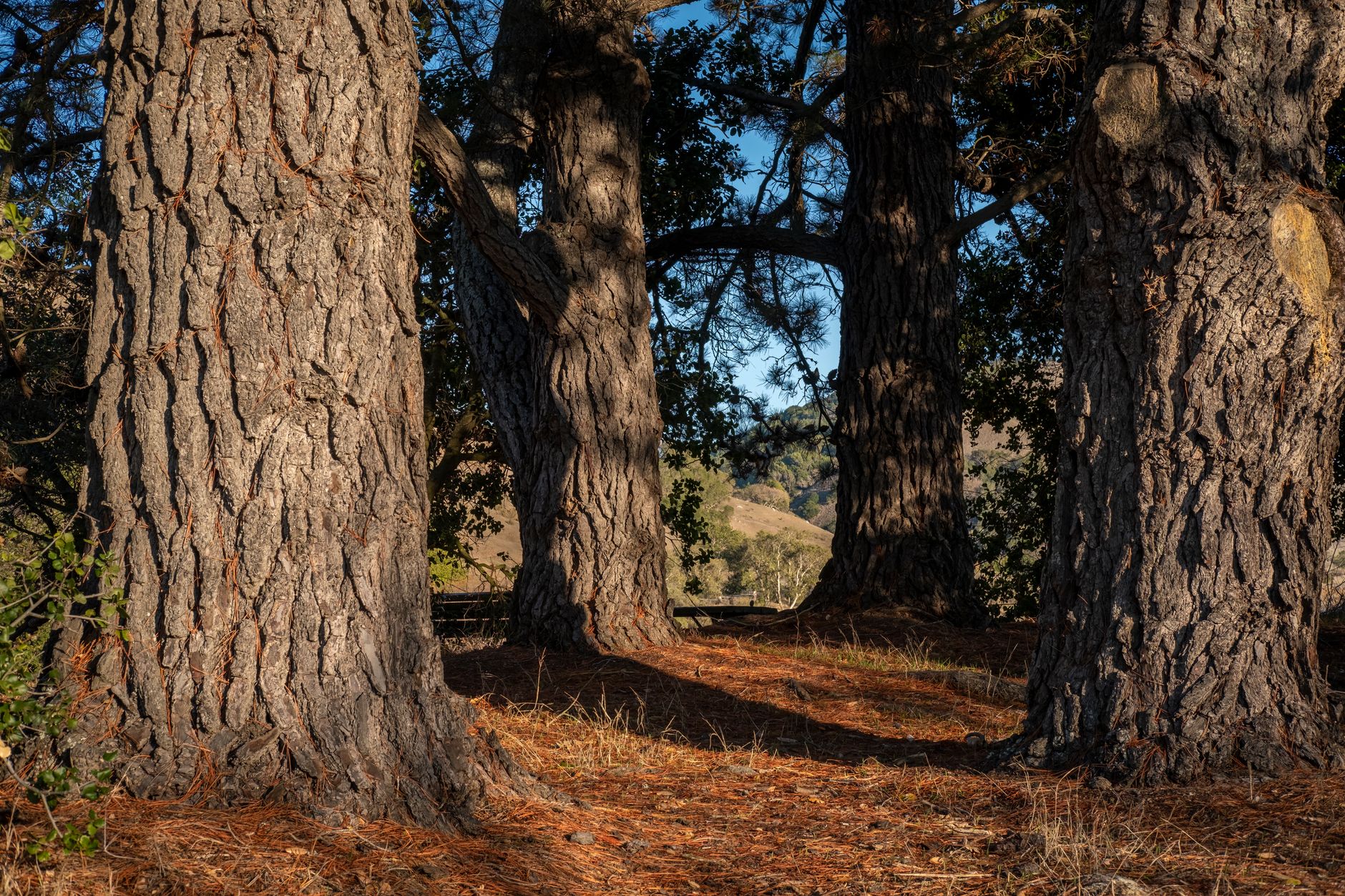
The product itself is water-based, non-toxic and non-hazardous. Komodo’s own published materials describe it as environmentally friendly and safe around people, pets, animals, plants and aquatic life. If you have horses in the pasture, a creek on the property line, or a dog that’s going to sniff every fence post the week after we leave, that matters.
Mark is an authorized Komodo applicator. That’s a trained application, not a guy with a pump sprayer.
Product names and descriptions go here once Komodo supplies approved copy. The applicator agreement requires Komodo’s own wording for any product-level claim.
No Two Properties Get the Same Plan - We Map Where Your Fire Would Actually Start
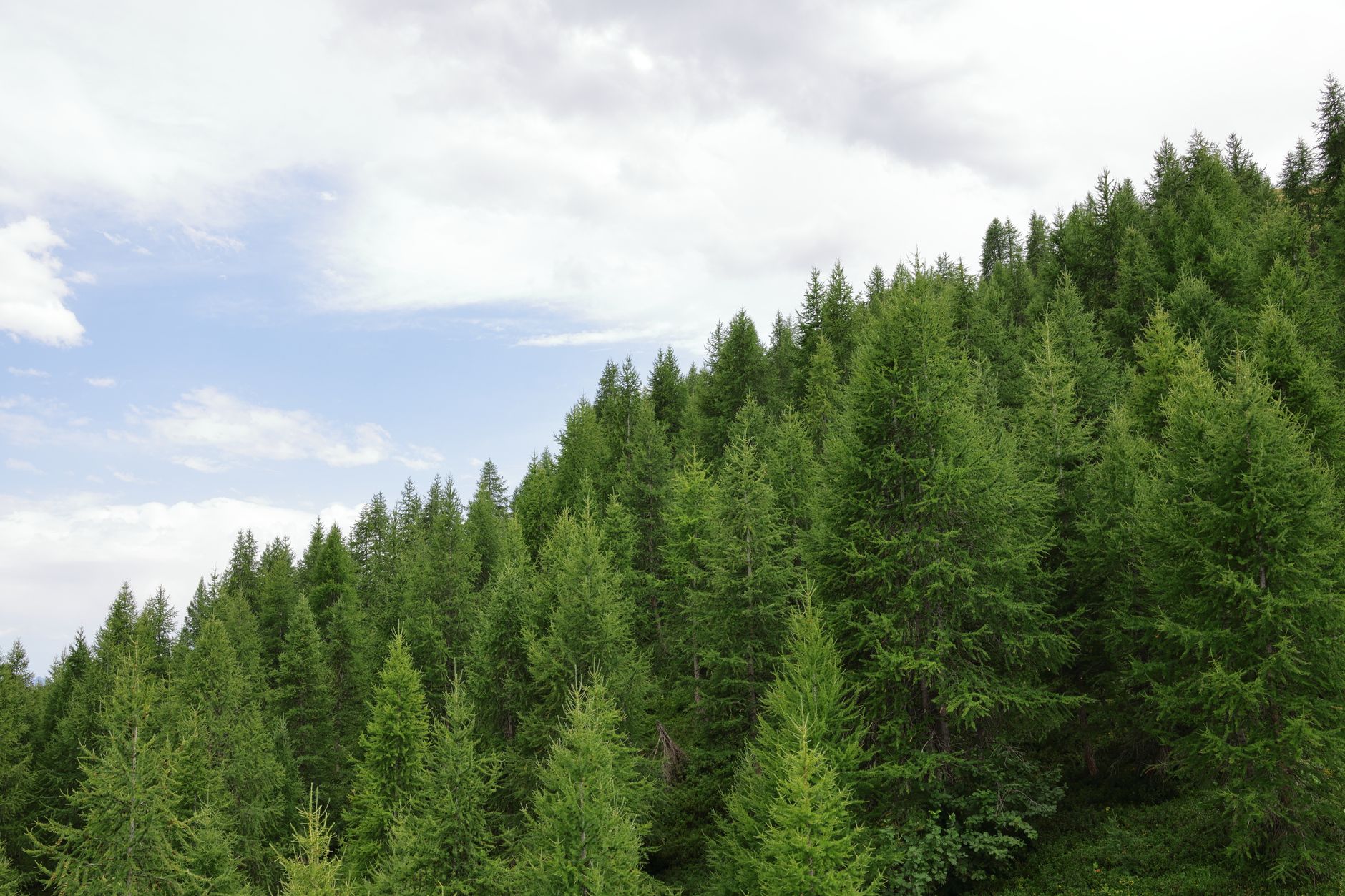
A house tucked in timber above the Pend Oreille doesn’t burn the same way a place on open Palouse grassland does. So the treatment plan starts with a walk of the property, not a price per square foot.
Mark looks at how the home and outbuildings are built. Roof and exterior materials. Decks, porches and anything combustible attached to the structure. The trees and vegetation around it, and how close they sit. Your immediate wildfire exposure, the terrain, and what’s on the neighboring properties, because their fuel is your problem too. And the spots where wind-driven embers collect, which are usually not where people expect.
Corners. Gutters. The gap under the deck. The dry strip along the north fence line.
From that walk comes a plan that puts product where it does the most good, instead of spraying everything and hoping. Vegetation ahead of the season. Structures only if a fire is bearing down.
Built for Timber Lots, Seasonal Cabins and Properties the Fire Department Can't Reach Fast
Pre-treatment makes the most sense when the odds are stacked against a quick response. That’s a lot of this region.
- Homes in the wildland-urban interface, where the subdivision ends and the forest starts
- Rural and remote properties with one road in
- Seasonal residences and cabins that sit empty part of the year
- Properties with limited fire department access or long response times
- Homes surrounded by timber, grass or heavy vegetation
- Anyone who has done the other work and wants one more layer
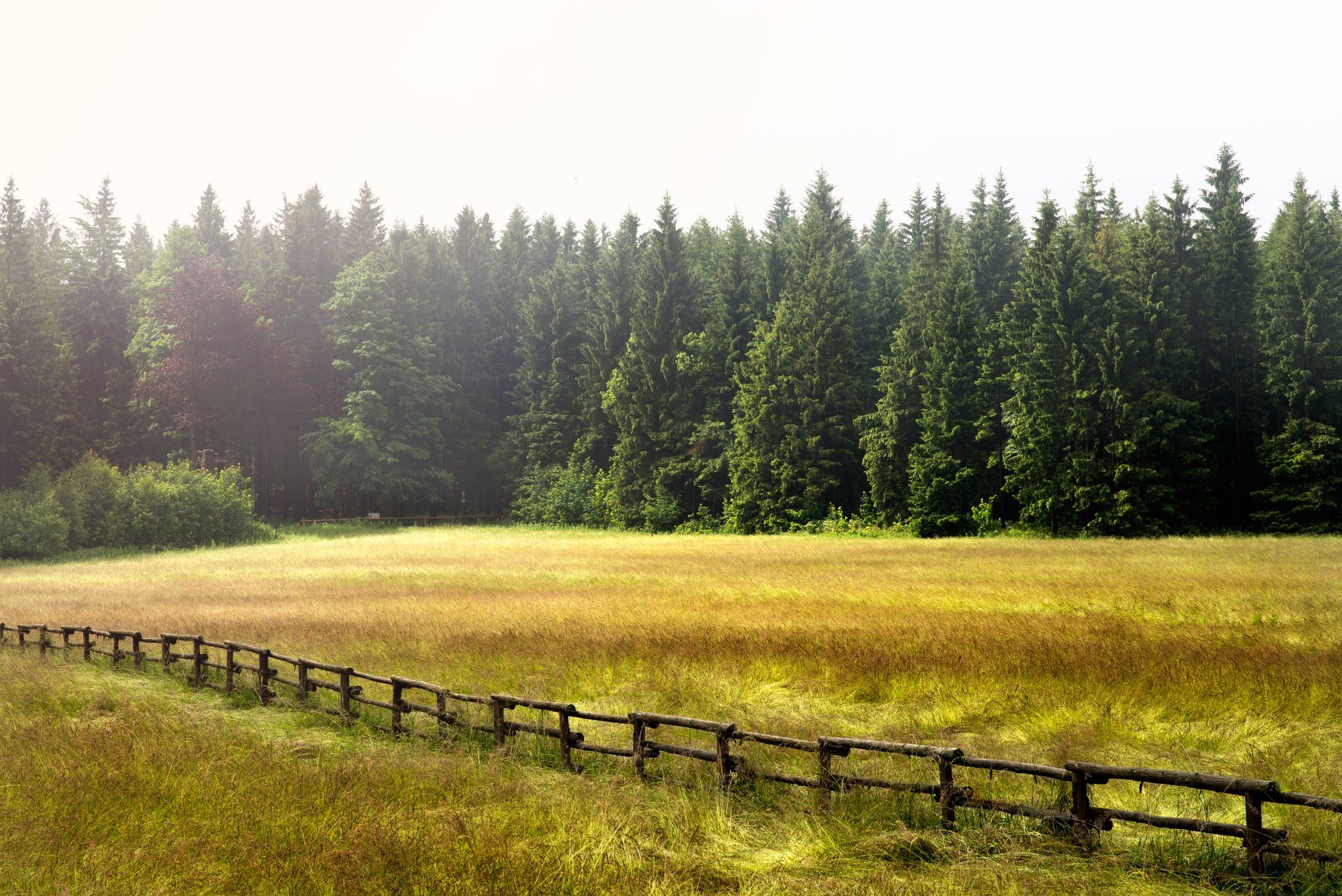
If you’ve ever watched a plume rise over the ridge and done the math on how long it would take a crew to reach you, this is for you.
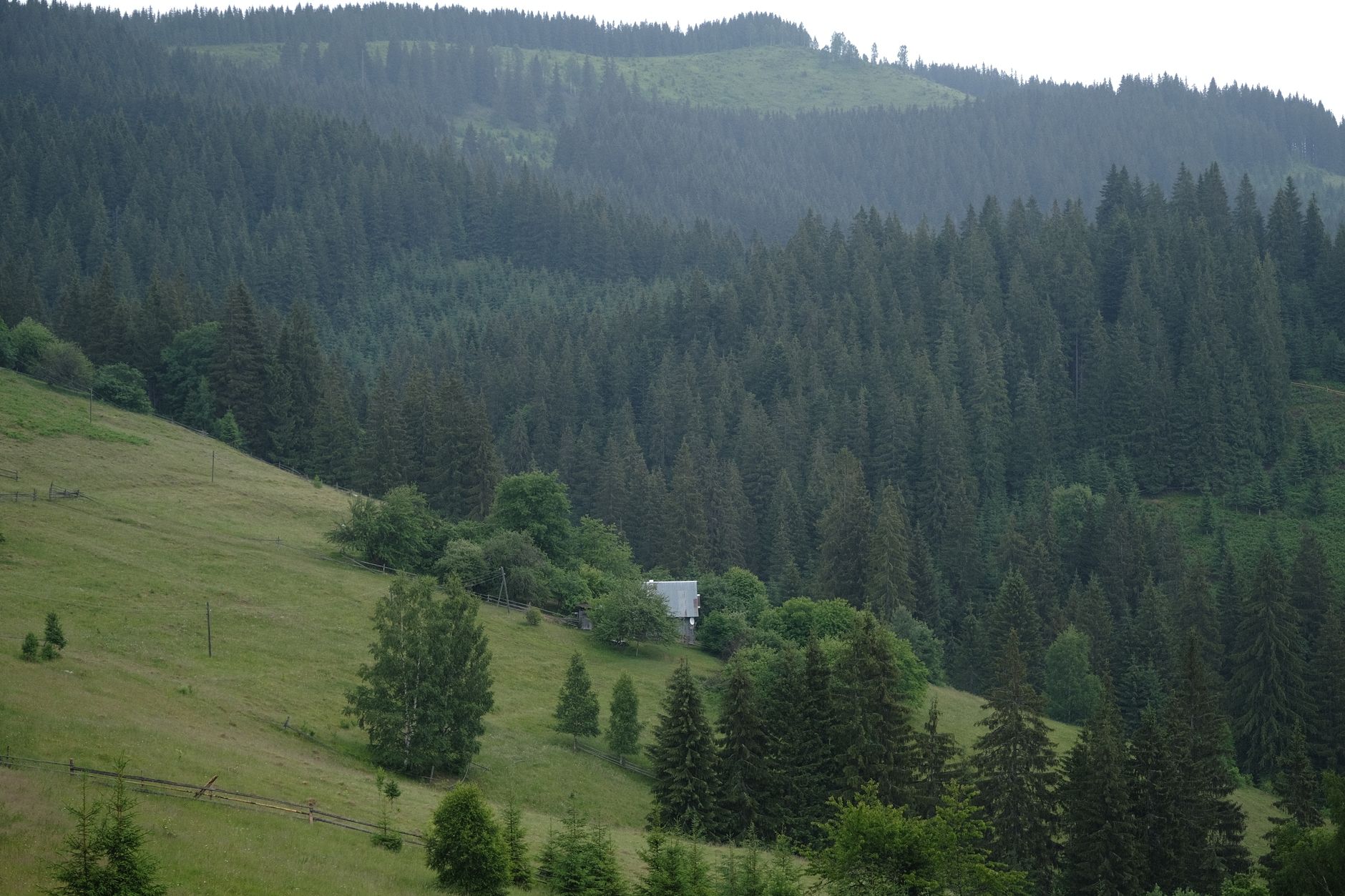
Pre-Treatment Works Best on a Hardened Home With Defensible Space
Retardant is one piece. On its own it can’t fix a wood shake roof or a pile of firewood stacked against the siding.
Where it really earns its keep is on a property that’s already been worked on. Ember-resistant vents so nothing gets sucked into the attic. The first five feet cleared and hardened. Trees limbed up and brush pulled back.
Komodo is an alternative to a wildfire water defense system, not a companion to one. A sprinkler system that activates would wash the retardant off the vegetation it’s meant to protect, so a property goes one way or the other. Mark will tell you which one fits your water supply, your terrain and how often you’re there.
JRC does all of that work, which is the point. One contractor who has walked the property, knows where the weak spots are, and can sequence the whole plan instead of handing you three business cards.
Start with Wildfire Home Hardening if you haven’t done that yet.
Reserve Your Spring Application With a Deposit - Product Runs Short Once the Season Starts
Every year the same thing happens. Spring hits, the first big fire makes the news, and the phone starts ringing from people who want treatment that week. By then product is on allocation and the schedule is full.
Waiting until a fire is nearby can mean no product and no available date. Not a maybe. That’s how it plays out.
So JRC takes reservations for late-spring applications. A deposit secures your place on the schedule and your product, so when the window opens you’re already on the list instead of at the back of it. Call (509) 338 8456 to get on the calendar.
Reserve early. Apply in spring. Forget about it by July.
Documentation for Every Job - Property, Date, Product and Areas Treated
After the application, JRC provides written documentation listing your property, the application date, the product used and the primary areas treated.
Keep it with your other property records. Some homeowners share it with their insurer, some with a buyer down the road, and some just want it on file so they know exactly what was done and when.
Serving Spokane, the Palouse, Coeur d'Alene, Bonner and Boundary Counties, Lewiston and South Toward McCall
JRC’s primary service area for wildfire pre-treatment covers Spokane and Eastern Washington, Pullman and the Palouse, Moscow and North-Central Idaho, Coeur d’Alene and the surrounding communities, Bonner and Boundary Counties, the Lewiston corridor, and areas south toward McCall, along with rural properties throughout the region.
Outside the primary area, travel availability and minimum project sizes may apply. If you’re on the edge of the map, call anyway. Mark will tell you straight whether it pencils out.
Related services across the same territory are covered on the Spokane and Regional Services page.
Want Komodo Fire Retardant on Your Property Before the Next Fire Season?
Call Mark Wallace at (509) 338 8456 or use the form to request an assessment. He’ll walk the property, map where the risk actually sits, and lay out a treatment plan that fits how your place is built and what surrounds it.
Spring fills up fast. Get on the schedule now.
Fire and smoke damage instead of prevention? See Fire and Smoke Damage Restoration.